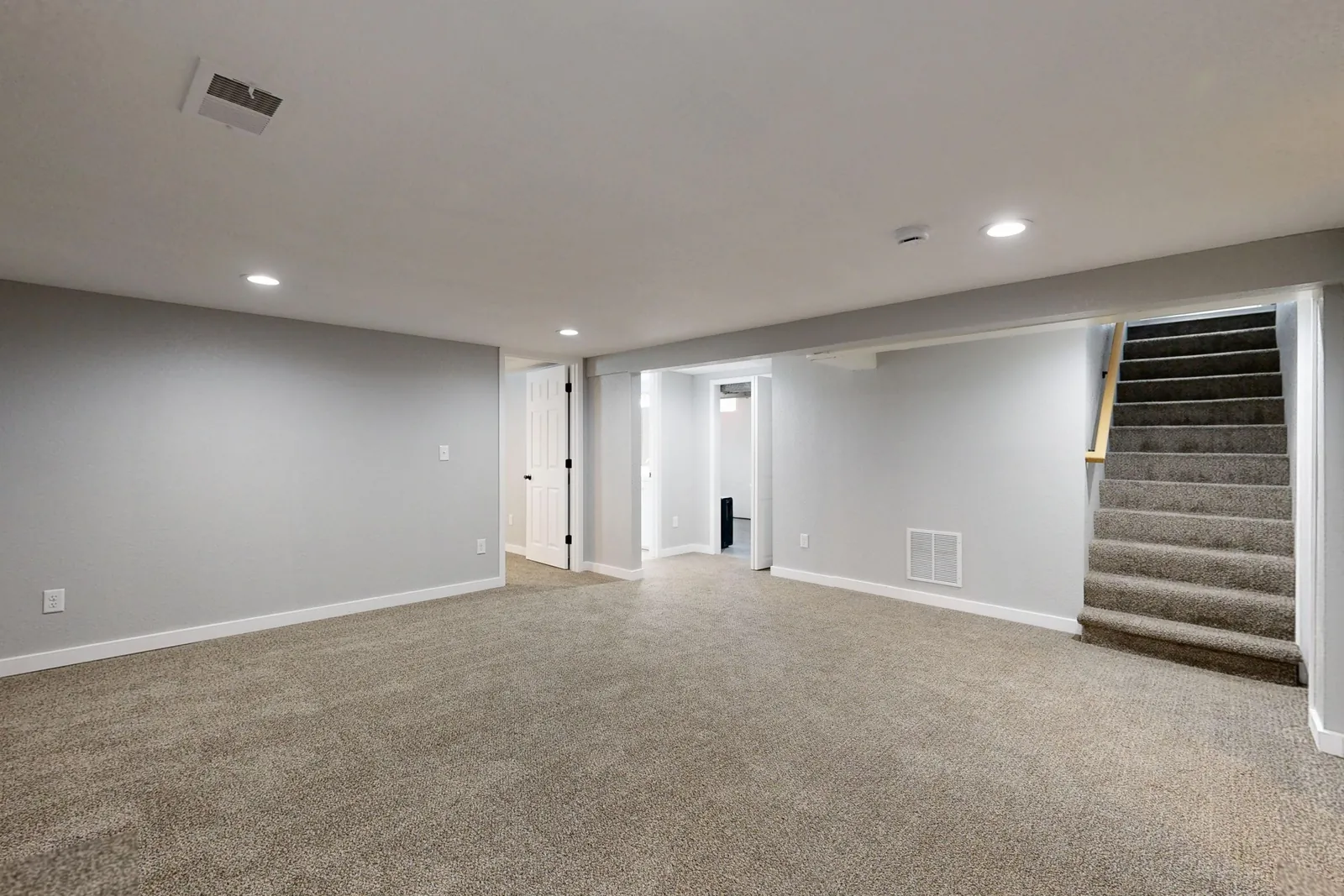
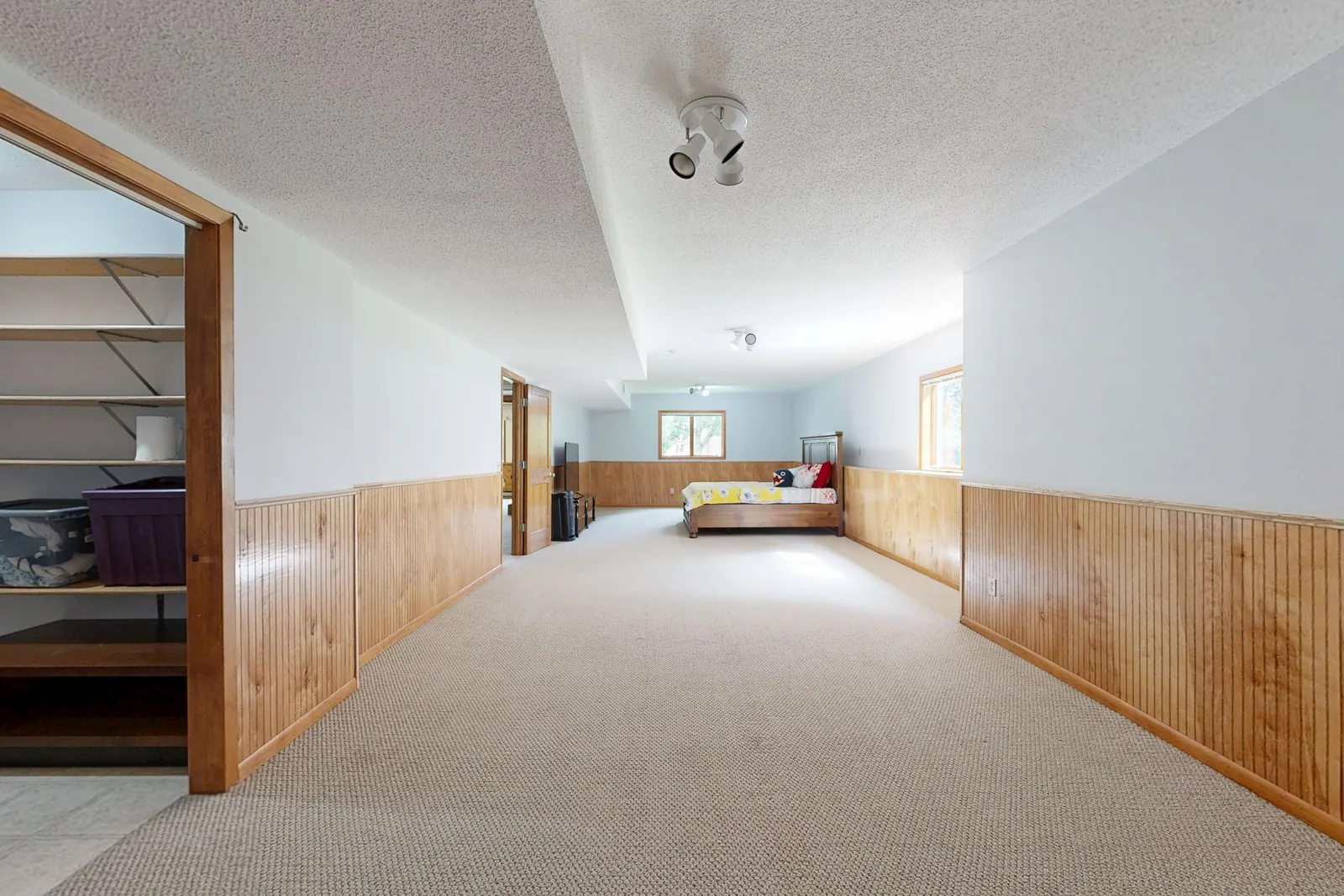
 Typical condition
Finished work
Typical condition
Finished work
Drywall, texture and repair in Aurora, Colorado
The best drywall work is the kind nobody notices. No shadow under the window, no seam telegraphing through the paint, no ridge where the ceiling meets the wall — and no reason for us to be back in your house next spring.
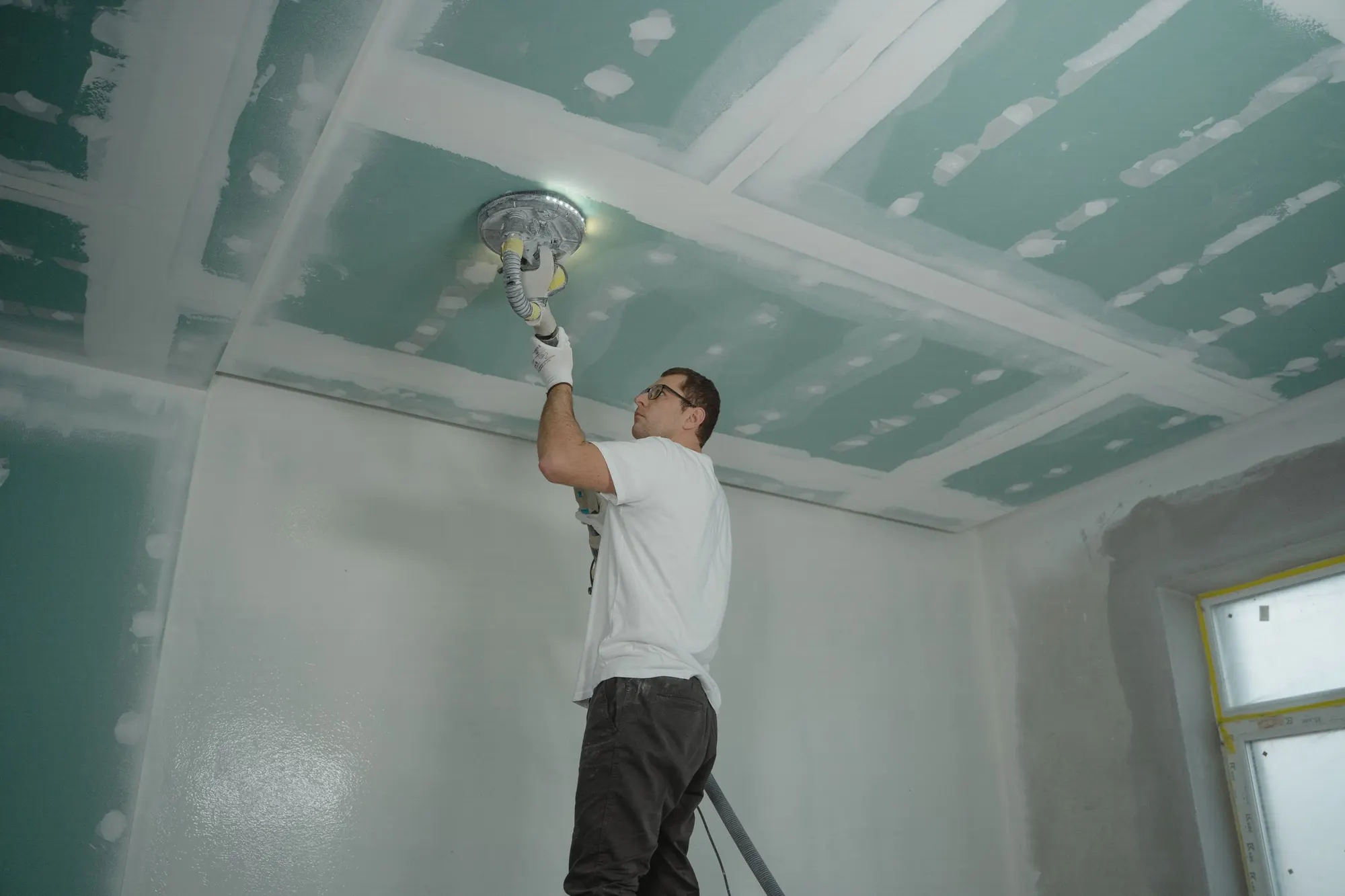
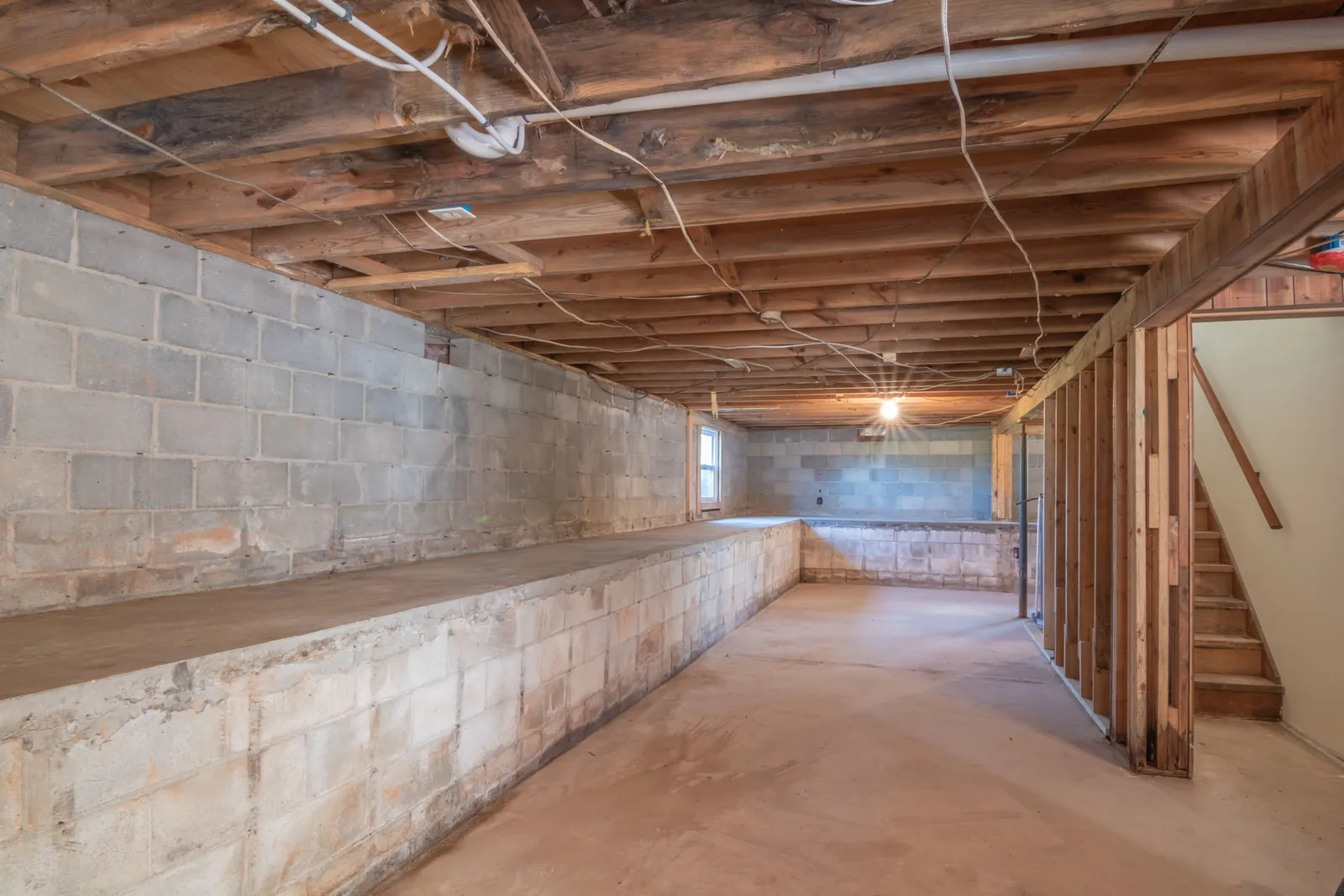
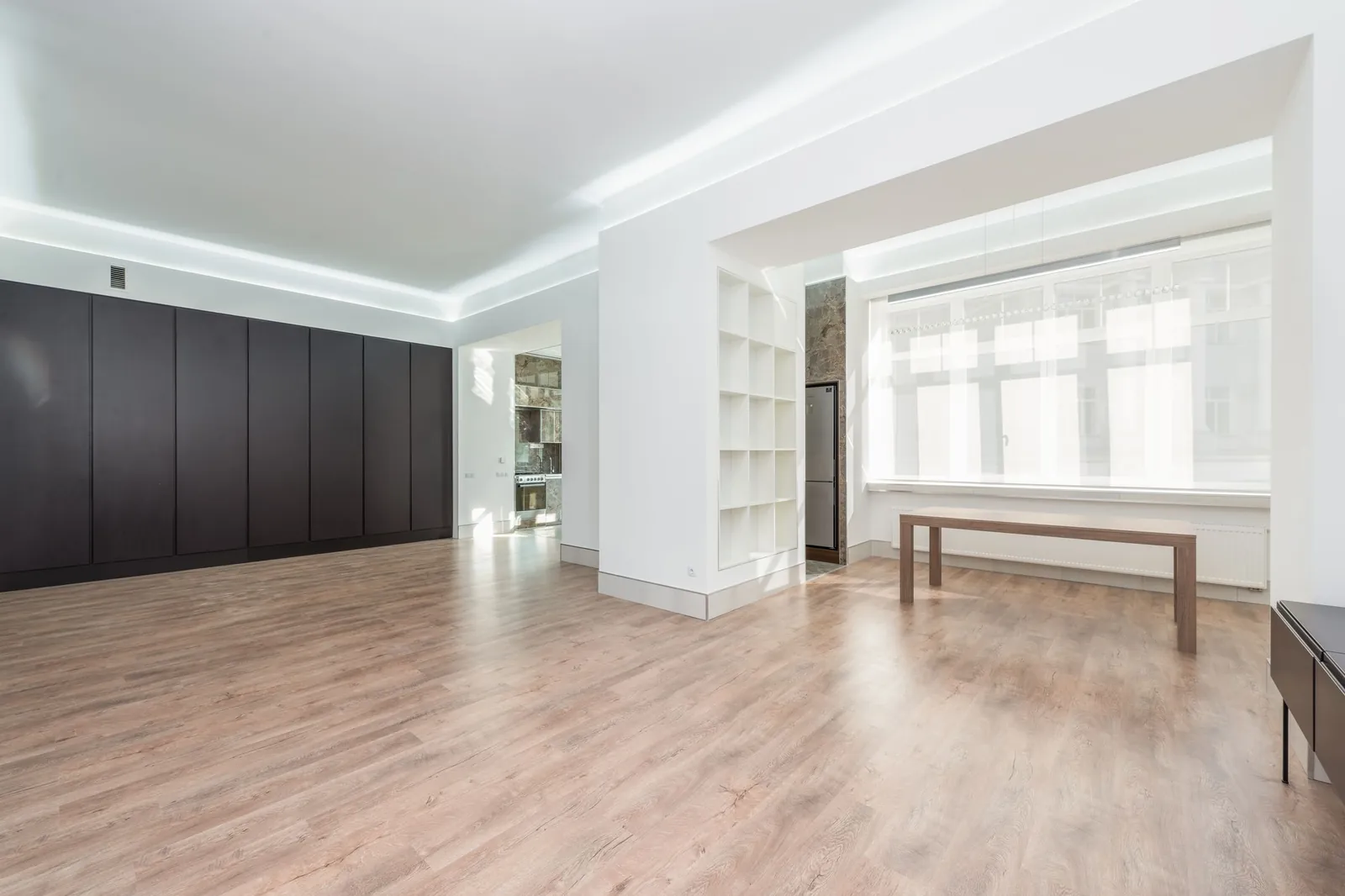
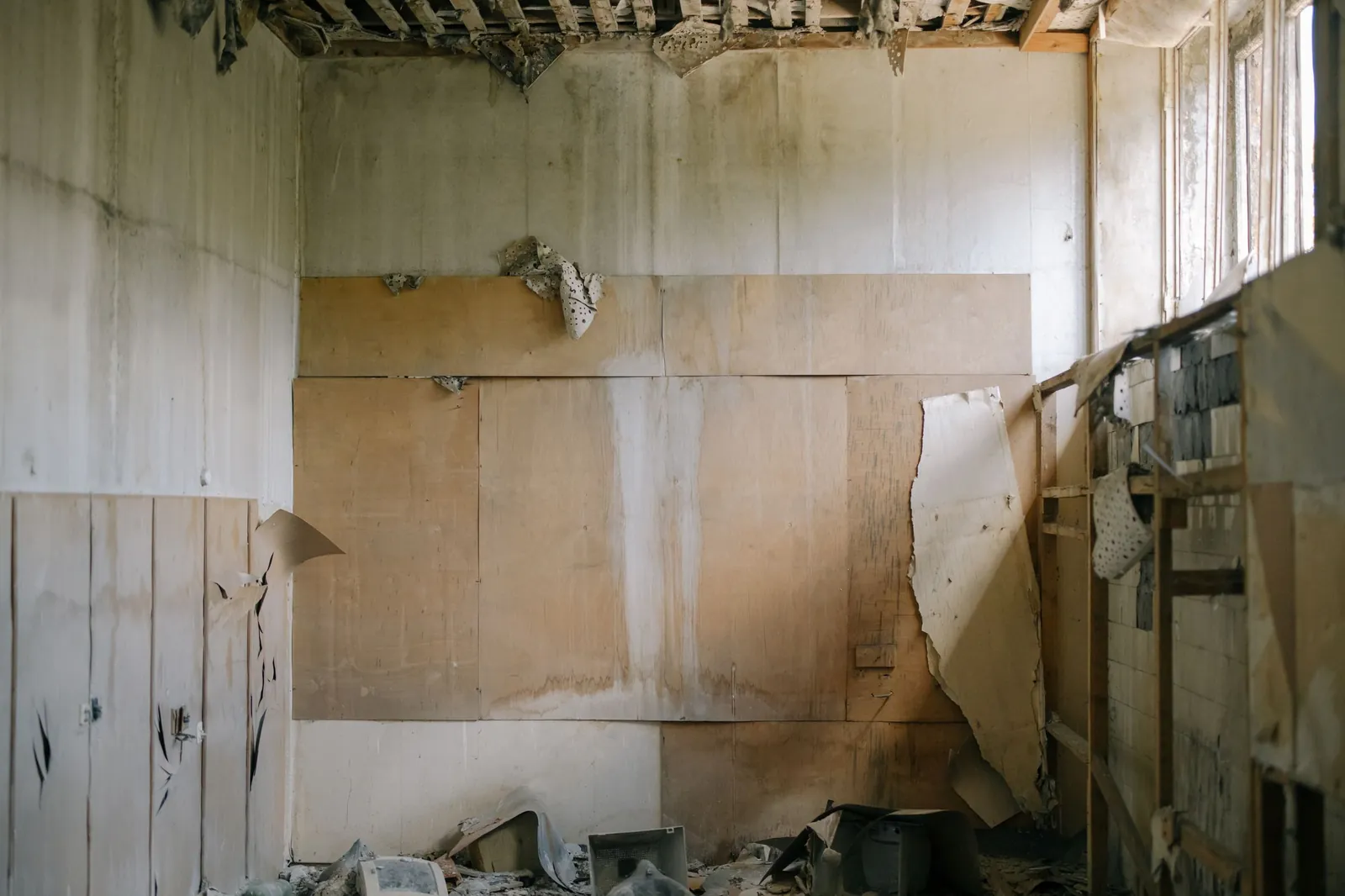
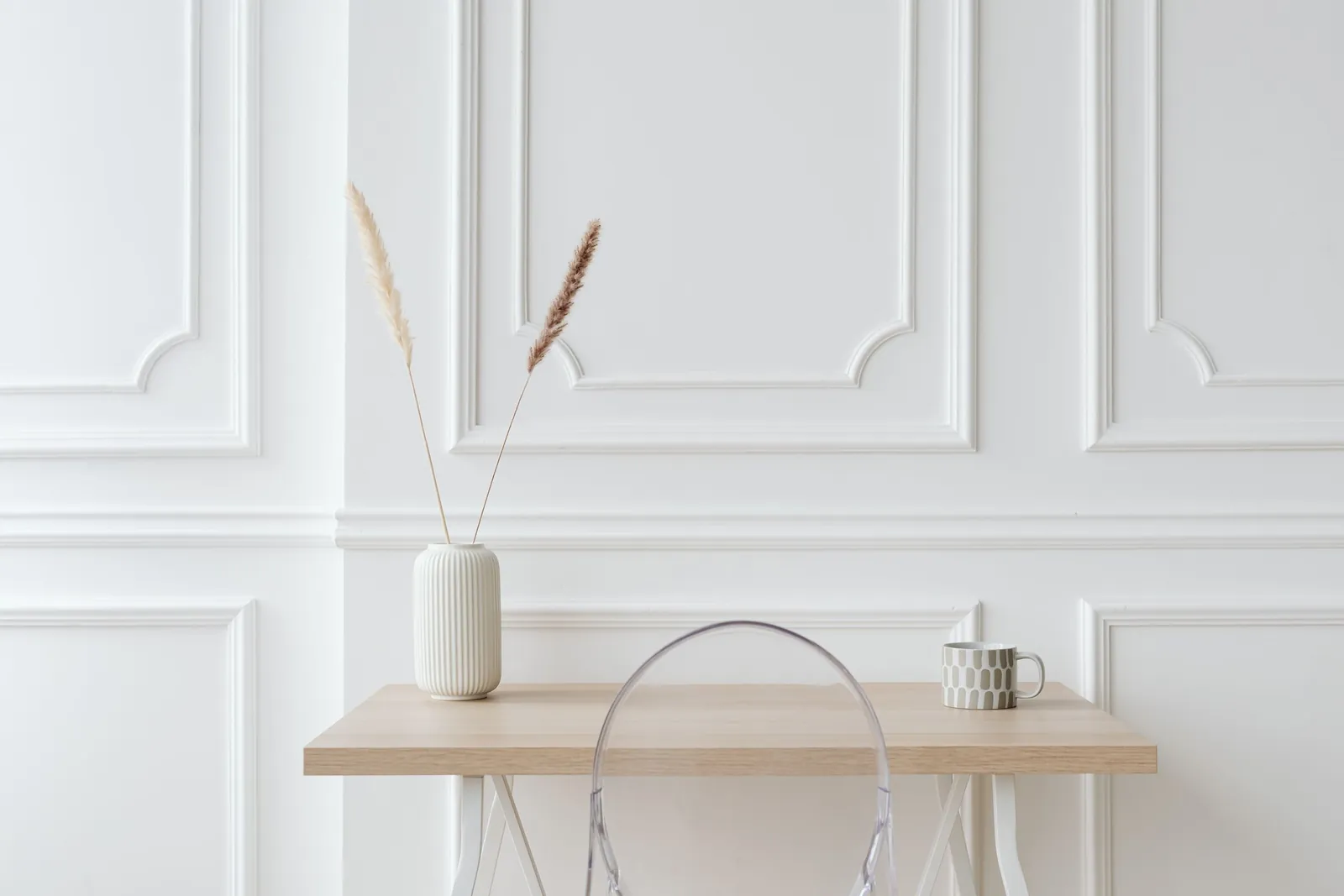
Critical lighting is the test drywall finishers are graded by — a lamp raked across the wall at a shallow angle, showing up every ridge and shadow. Drag any slider: on the left is the kind of condition we get called out to, on the right is the standard we hand back.
Typical condition
Finished work
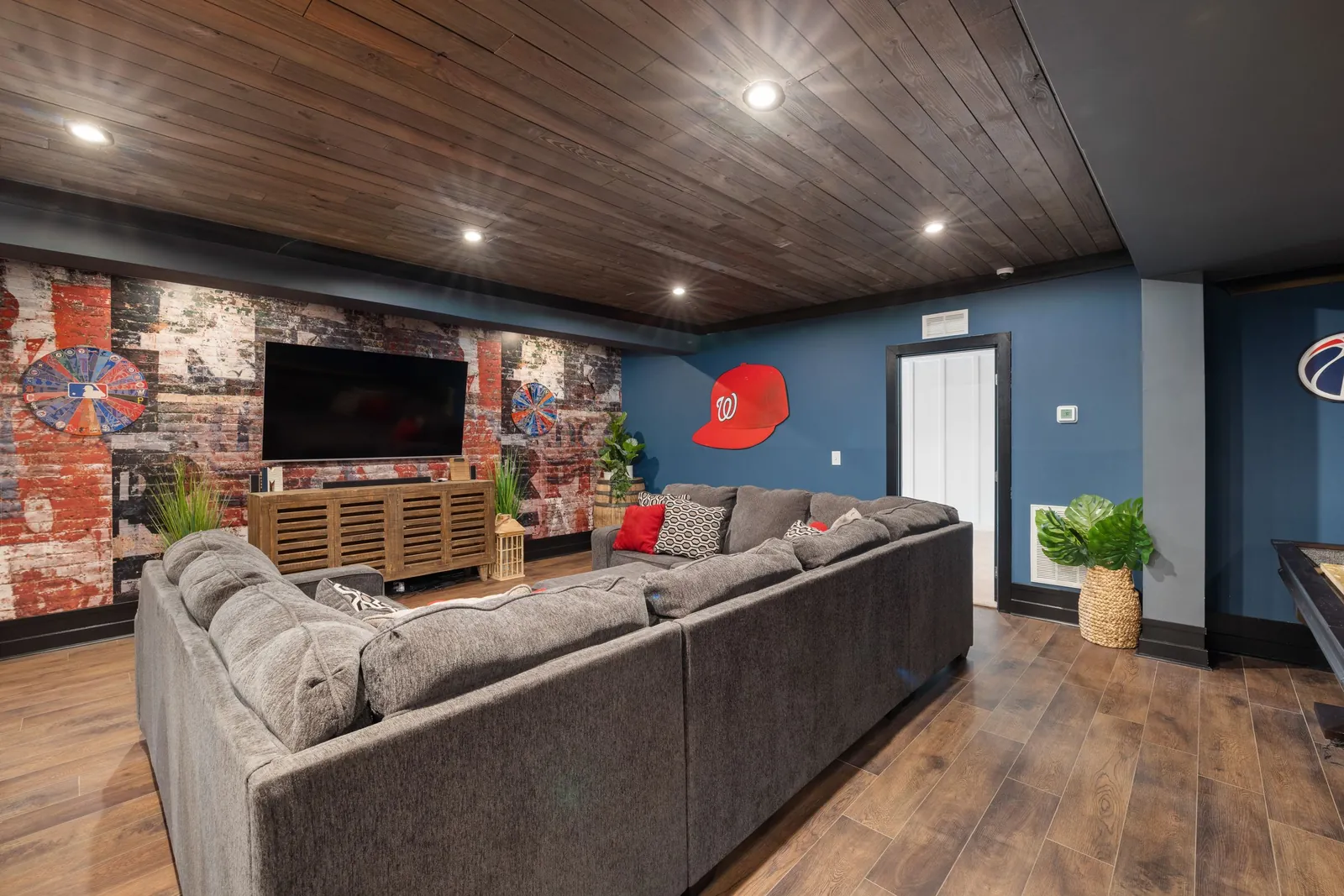
 Typical condition
Finished work
Typical condition
Finished work
 Typical condition
Finished work
Typical condition
Finished work
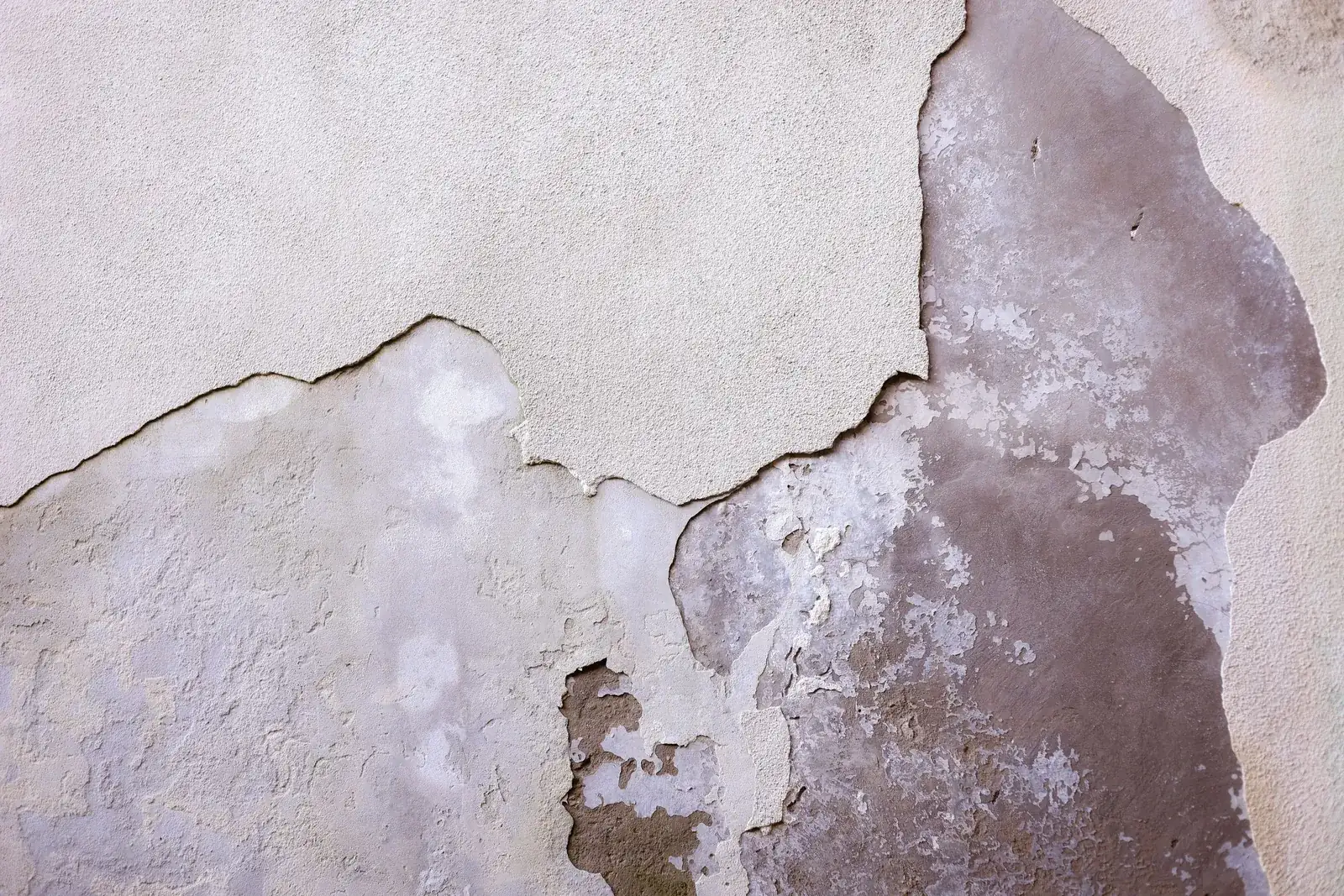 Typical condition
Finished work
Typical condition
Finished work
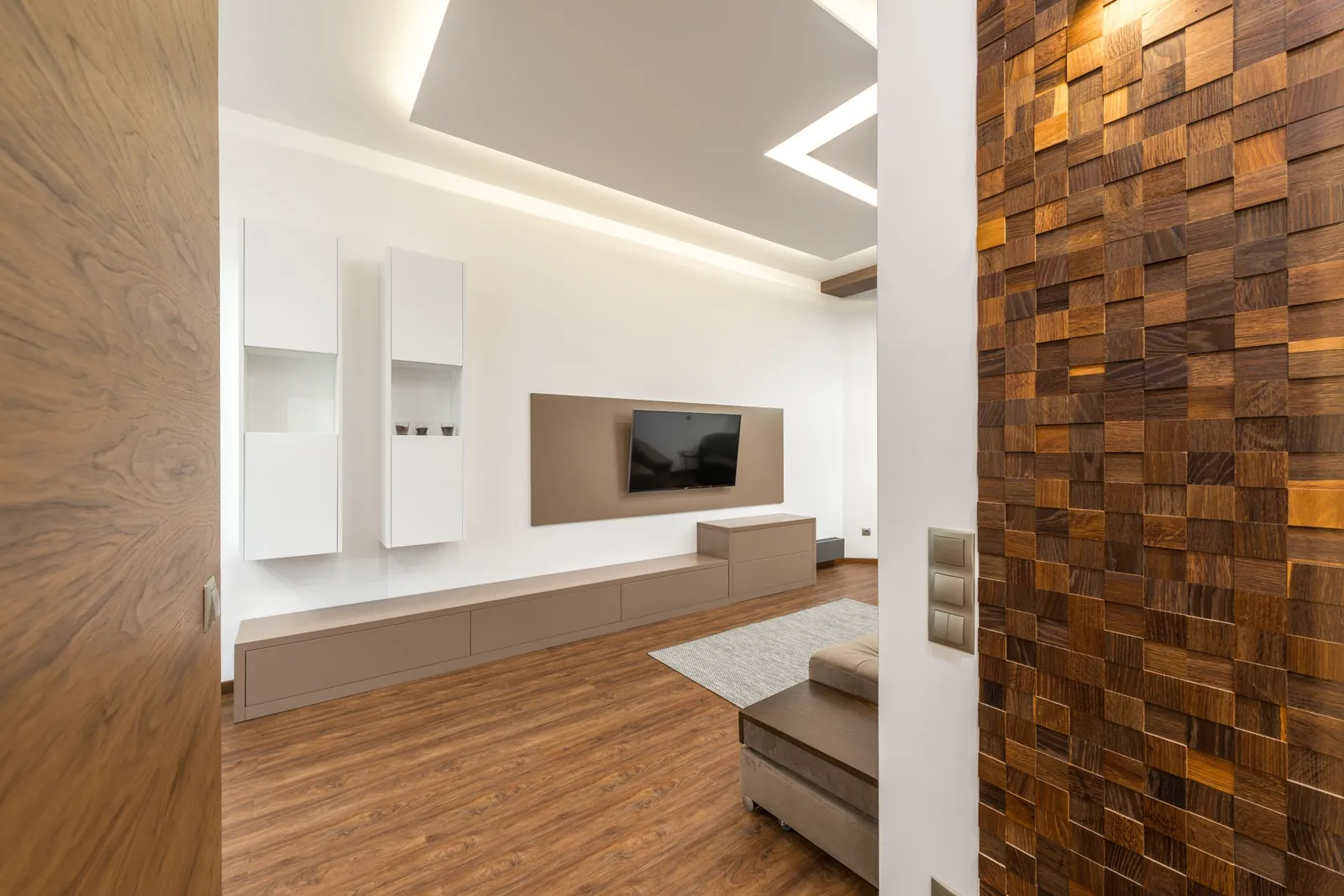
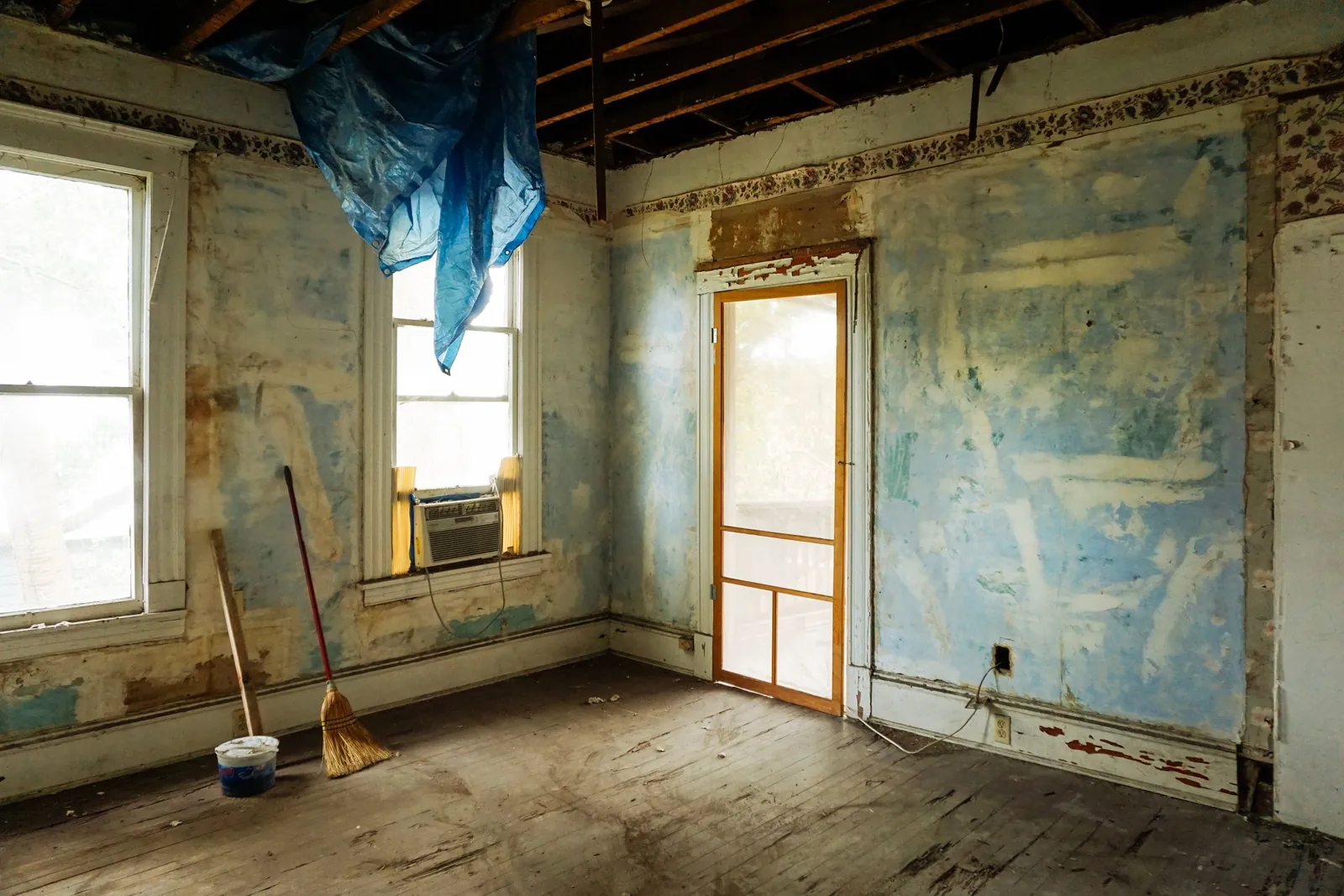 Typical condition
Finished work
Typical condition
Finished work
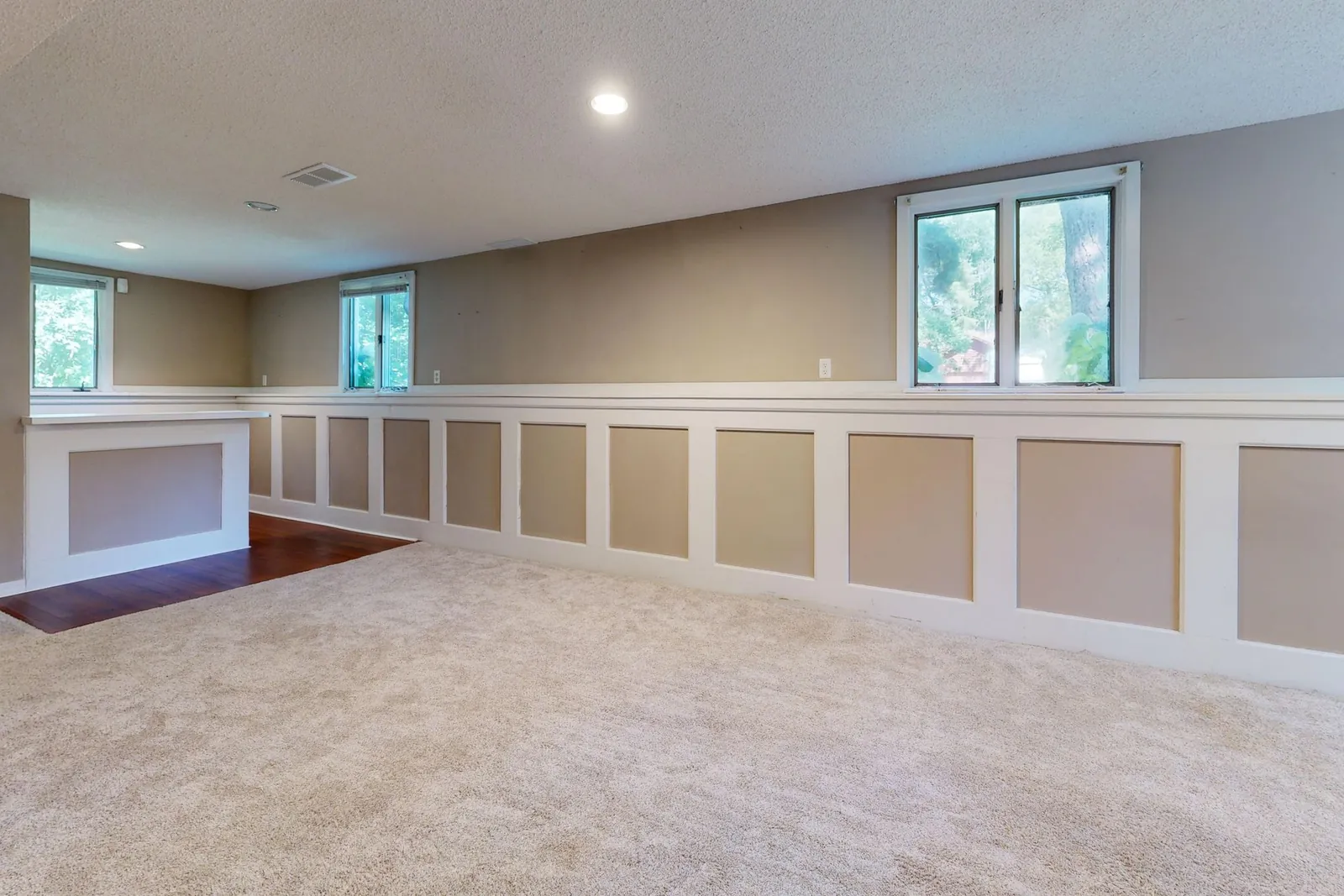
 Typical condition
Finished work
Typical condition
Finished work
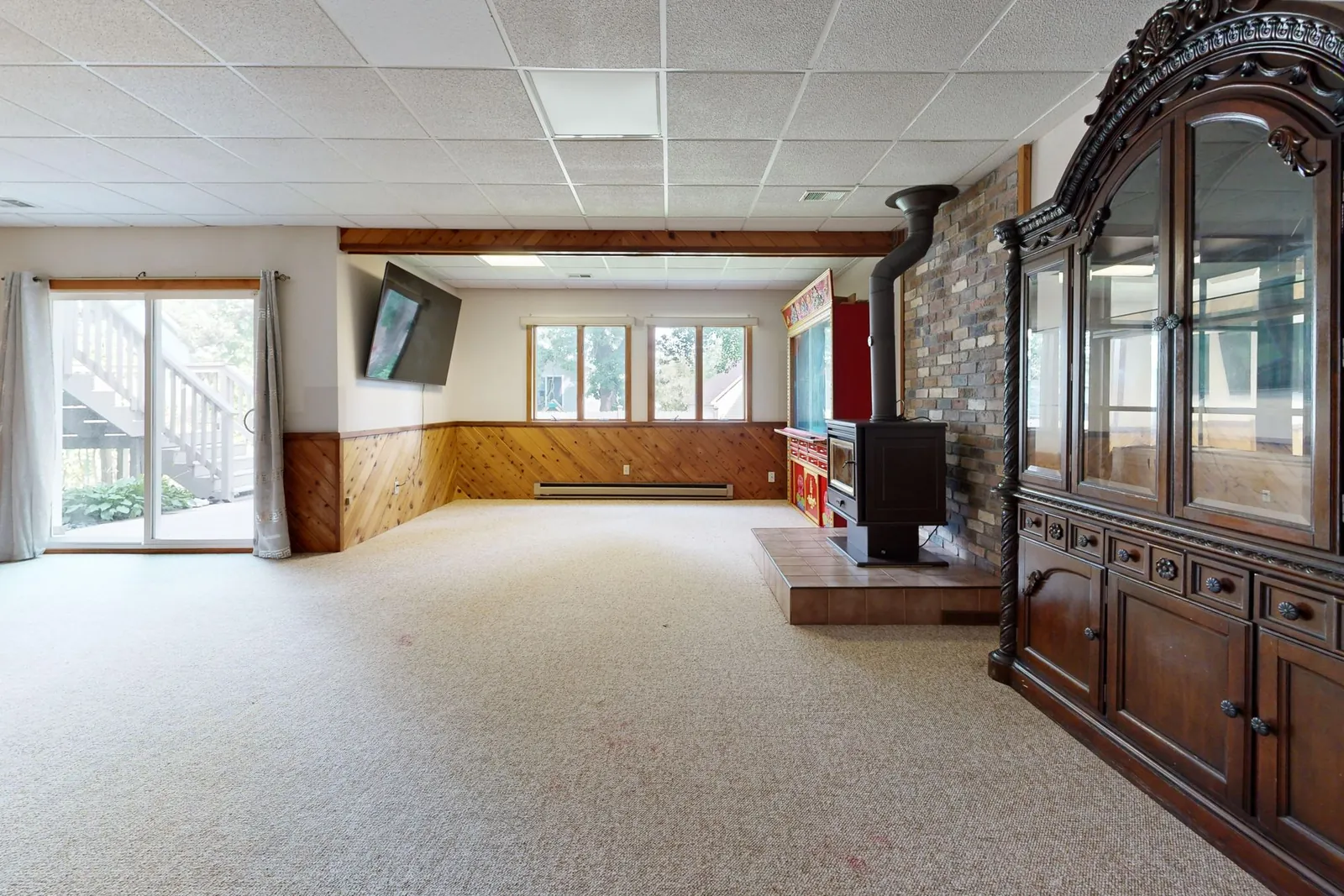
Each slider pairs the kind of condition we get called out to with the standard we hand back. They are two different rooms, not one room photographed twice. Ask and we will send before and after photos of recent local jobs.
The industry grades finish work from 0 to 5 under ASTM C840. Most contractors quote Level 4 and leave it at that. We will tell you which level your room actually needs — and why paying for Level 5 in a hallway is a waste of your money.
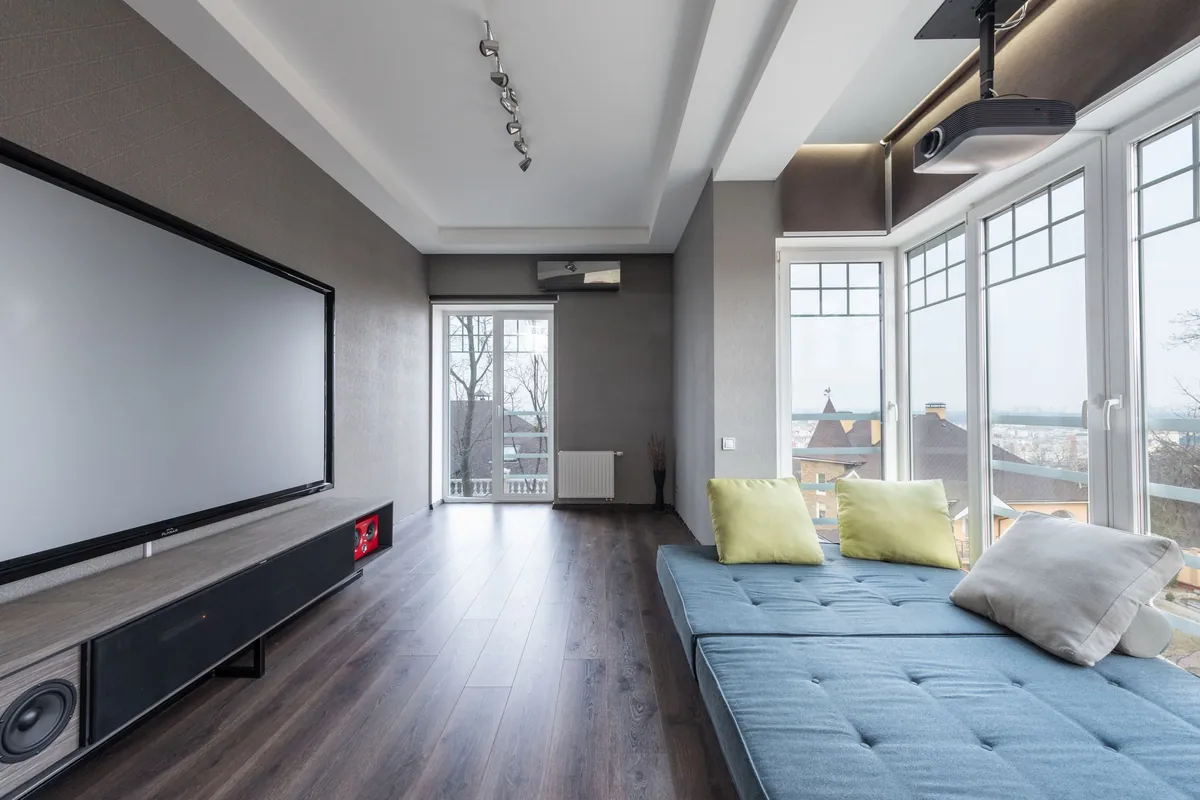
Framing through final texture, permit-ready and inspection-ready. The most common job we take in Aurora.
Holes, cracks, water stains and failed patches from whoever came before. Most repairs are done in a single visit.
Scraped, skimmed and re-textured — with an asbestos test first on anything pre-1980.
Knockdown, orange peel, skip trowel and Santa Fe, matched to what you already have.
Whole-house work for builders and general contractors, on schedule.
Fire-rated assemblies, Type X board and tenant finish work.
Hail, ice dams and upstairs plumbing. We cut back to sound board instead of covering damage over.
Colorado does specific things to drywall. Knowing which one you are looking at is most of the job.
Bentonite clay under the Front Range swells and shrinks with moisture, and houses move with it. That diagonal crack above your door frame is usually soil, not bad taping. Patching it without addressing the movement just means patching it again next spring.
Aurora sits in one of the most hail-struck metros in the country. When the roof goes, the ceiling follows. We cut back to dry, sound board rather than skimming over a stain that will bleed back through.
Ceiling texture sprayed before about 1980 can contain asbestos. We do not scrape anything until a sample comes back clear from a lab. It is a cheap test and it is not optional.
At 5,400 feet with single-digit humidity, joint compound behaves differently than it does at sea level. Mixes and dry times get adjusted rather than fought.
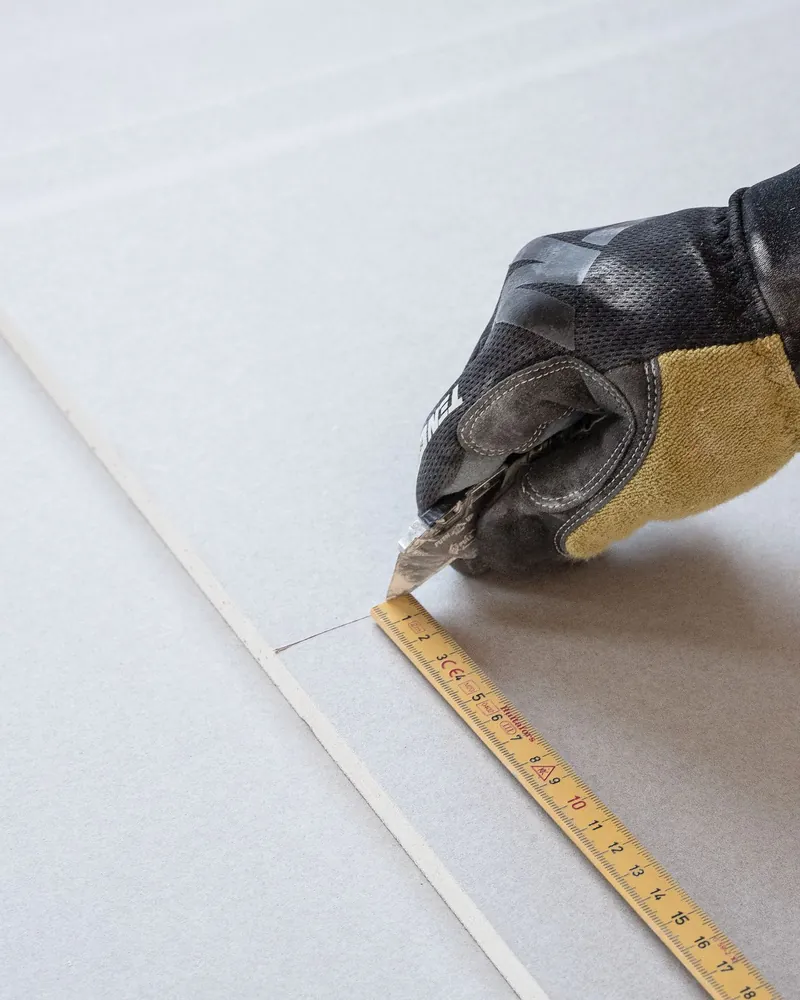
We walk the space, measure it, and price the actual scope. No square-foot guesses over the phone.
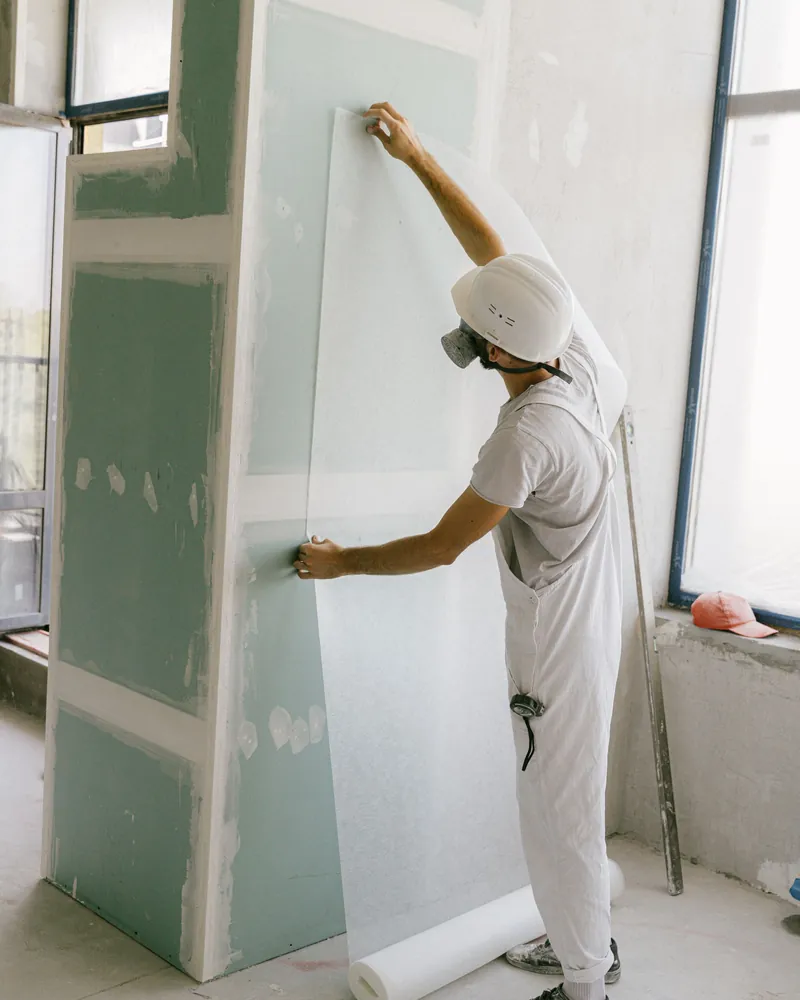
Board goes up tight and screwed to spec, seams staggered away from corners and openings.
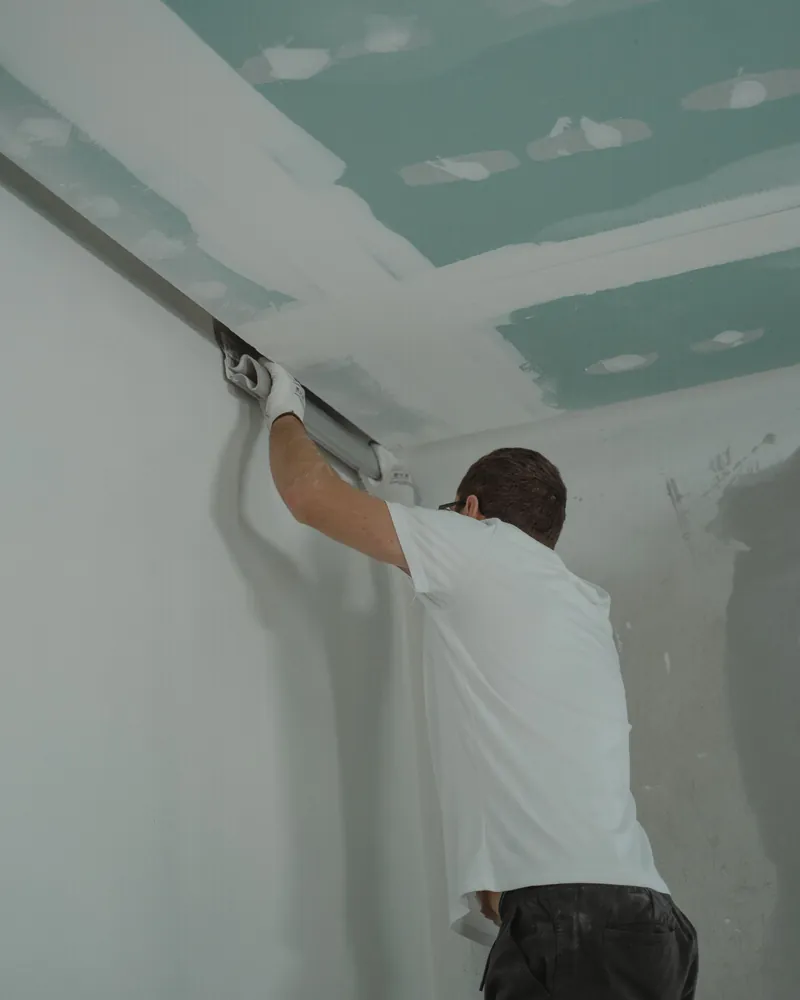
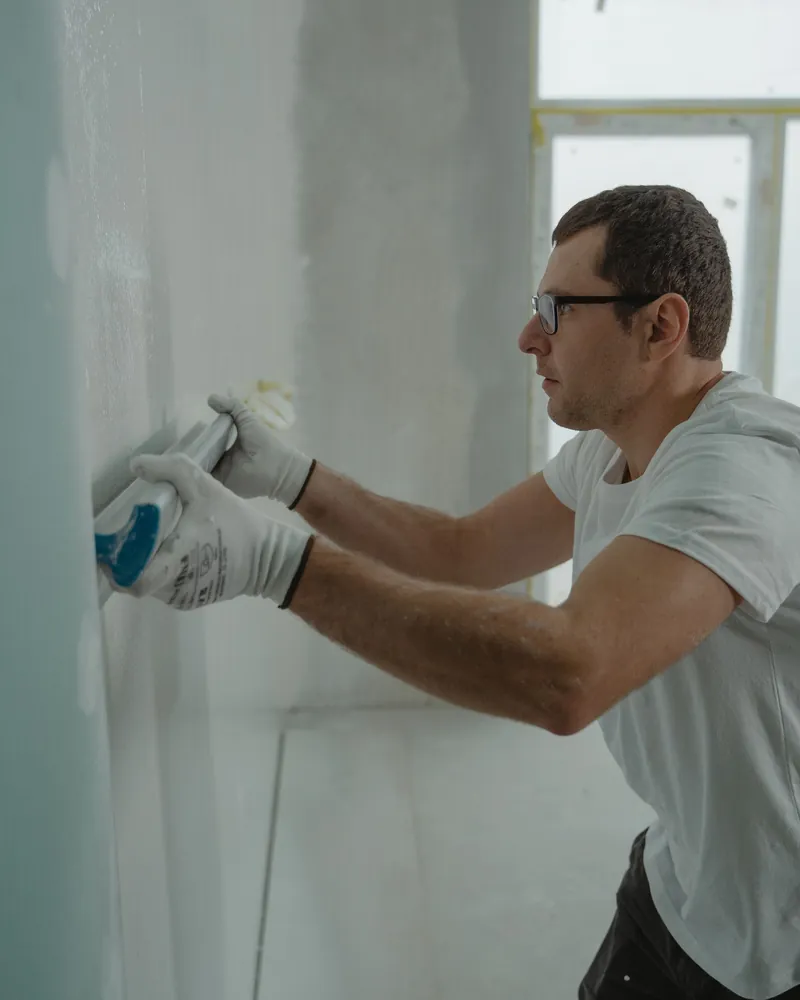
Three coats minimum, feathered wide. Corner bead set true so nothing telegraphs later.
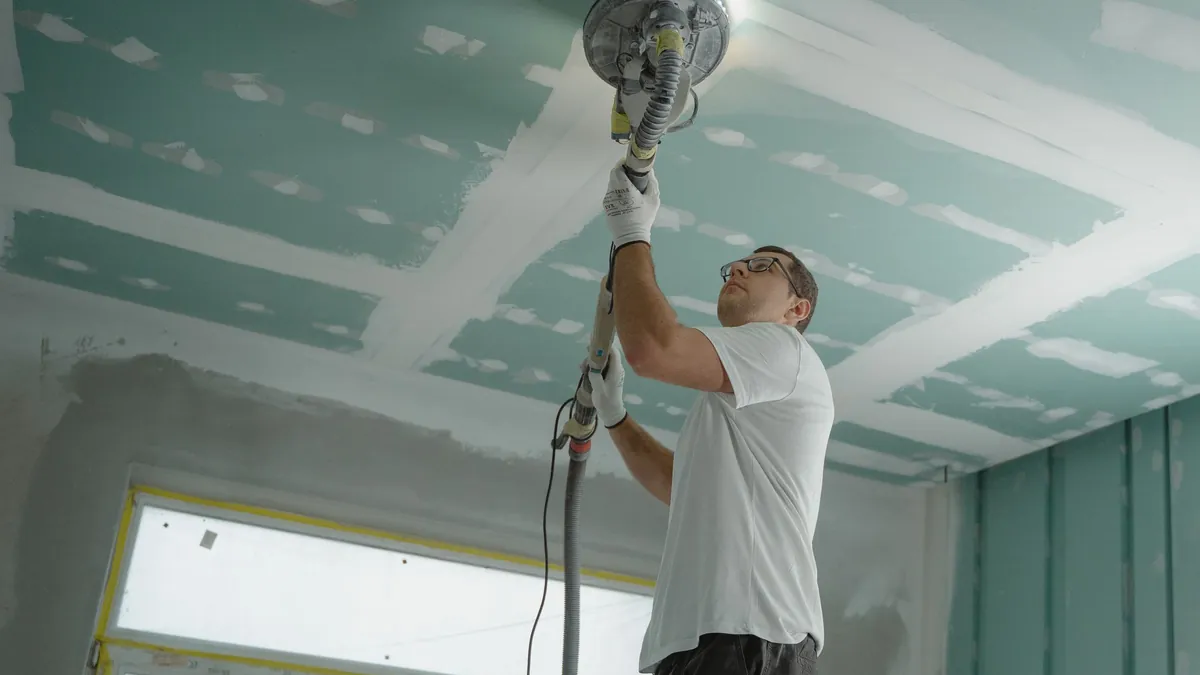
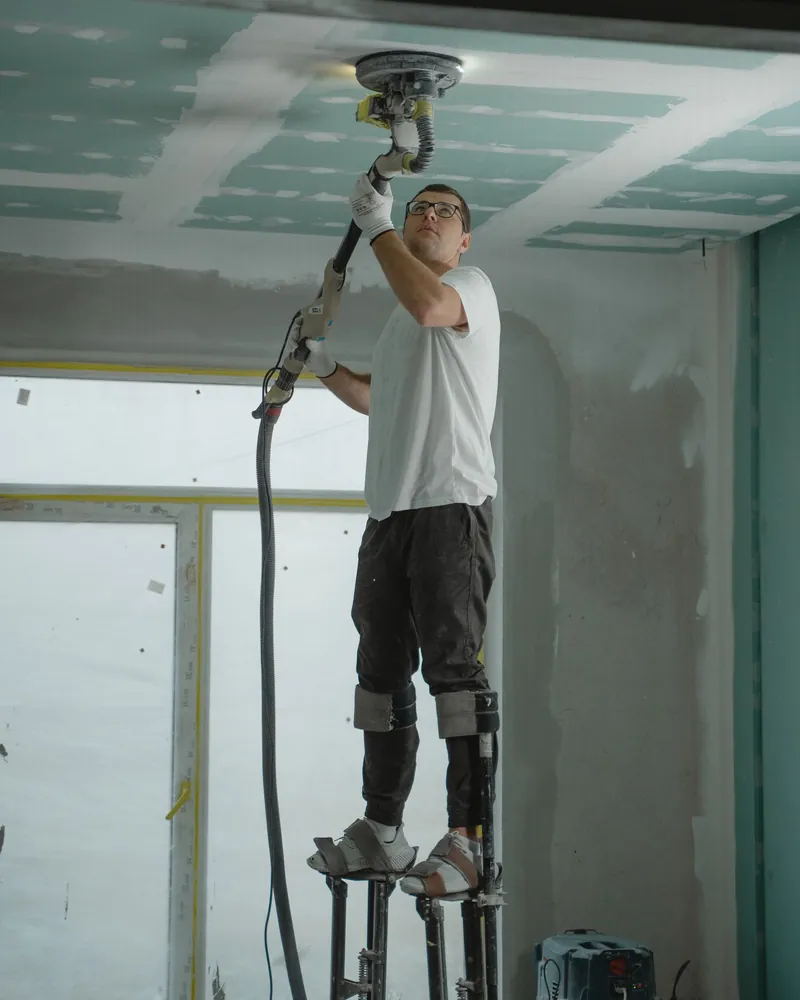
Vacuum-assisted pole sanders. Plastic up, floors covered, HEPA running.
Sample board first, matched to your existing walls, then sprayed and knocked down.
The estimate you sign is the number you pay unless you change the scope. Anything we find behind the wall gets priced and approved before we carry on.
Your estimate says Level 4 or Level 5 and which texture, so there is no argument later about what "done" meant.
Dust containment, floor protection and haul-away are in the price, not a line item added at the end.
If a seam cracks or a patch telegraphs within a year and it is our work, we come back and fix it.
Based in Aurora, working across the east and south metro. If you are outside this list, call anyway — if we cannot get to you, we will tell you who can.
ZIP codes 80010–80019, 80040–80047, 80231, 80247 and nearby.
Monday to Saturday, 7am to 6pm. We answer the phone — and if we are up a ladder, we call back the same day.
Prefer to write? Send photos of the room to omar@omarsdrywall.com and we will come back with a price range before we ever drive out.
Se habla español.